
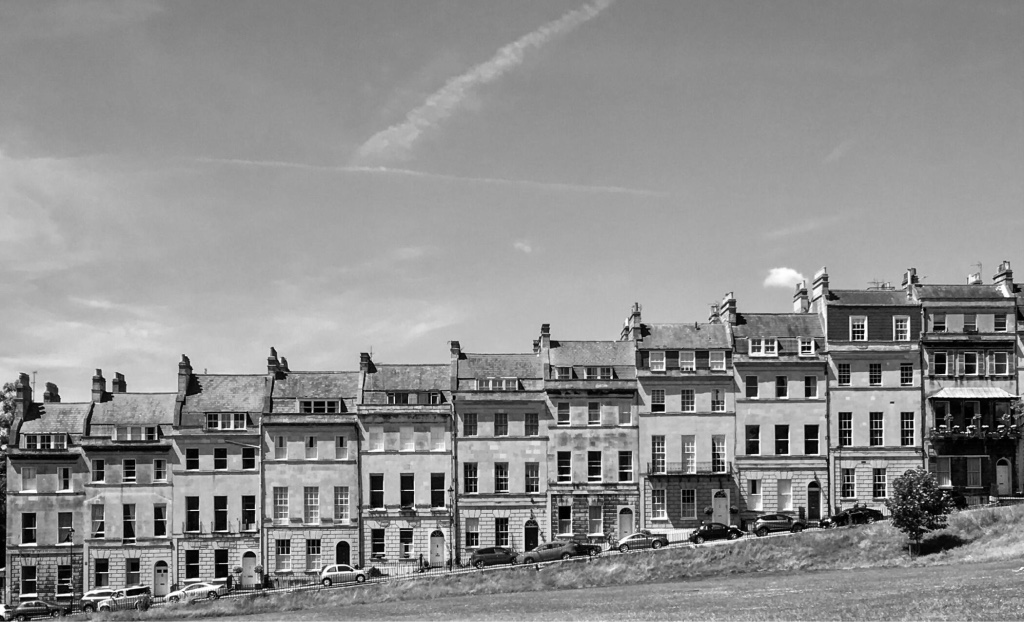
Key Advice for Renovating Period Homes
From Georgian terraces in Bath to stone cottages tucked into the Cotswolds, the South West is home to some of the most beautiful historic houses in the country. These buildings tell stories through their proportions, materials, and quiet resilience. But for those who live in them today, thoughtful renovation is often essential — not just to preserve character, but to make these homes work for modern life.
At Andrew Taberner Architects, we specialise in helping homeowners sensitively transform period properties into homes that are both grounded in heritage and beautifully tailored to contemporary living.
The most successful renovations begin with listening — to the building, to its surroundings, and to the way a client wants to live. In many homes across Somerset, Dorset, Bristol, and Bath, the original layout no longer suits the way we move, cook, socialise, or rest.
A well-designed renovation doesn’t seek to compete with the past. Instead, it quietly reveals the building’s original spirit, while weaving in new layers that bring warmth, light, and clarity to everyday life.
That might mean reconfiguring a dark kitchen into an open, sociable space connected to the garden. It could be opening up narrow hallways or adding a carefully considered extension that enhances the relationship between inside and out. Materials are key — stone, timber, lime — always chosen with restraint and depth, to feel both timeless and tactile.
Renovating in the South West often means working with listed buildings or within conservation areas. These projects come with unique challenges: planning consent, heritage assessments, conservation officer approvals — all of which require careful navigation and clear communication.
Having worked on Grade II listed buildings across London and the South West, I understand the process. More importantly, I understand how to design in a way that respects both the building’s story and your vision for the future.
My role is to help you make confident decisions — balancing your ambitions with the sensitivity and care these properties deserve.
A renovation of this nature is a significant undertaking. For clients with budgets starting around £250,000, the focus is often on doing it once — and doing it well.
That means investing in high-quality materials and construction, in energy efficiency and sustainability, and in a design that will stand the test of time. It also means assembling the right team of consultants, craftspeople, and builders from the outset.
The result isn’t just a more beautiful home — it’s a more comfortable, enduring, and intelligent one.
So, to summarise:
1. Start with a vision rooted in how you want to live, ensuring the design enhances everyday experience while respecting the home’s original character.
2. Understand the planning landscape — especially if your property is listed or in a conservation area. With my heritage experience I can help you navigate permissions with confidence.
3. Let the building guide you. The best renovations don’t compete with the past; they work in harmony with it, adding light, clarity, and flow.
4. Invest in quality — in materials, construction, and energy performance. Natural, durable materials bring warmth and longevity to a space.
5. Assemble the right team early. A considered renovation relies on collaboration between architect, client, consultants, and craftspeople to bring the vision to life smoothly and intelligently.
At Andrew Taberner Architects, our work is quiet and refined. It’s rooted in careful listening, a deep respect for context, and a desire to create architecture that feels effortless and lived-in.
If you’re considering a renovation or extension to your period home — whether it’s a listed property or simply one full of character — we’d love to help guide you through the process.